
IRS Update: Tax Season 2024 Delivers Bigger Refunds for US Taxpayers
As the tax season progresses, a refreshing wave of positive news is emerging directly from the Internal Revenue Service (IRS). For millions of US taxpayers, Tax Season 2024 is proving to be a rewarding period, marked by a significant increase in the size of their tax refunds. This encouraging trend, highlighted by recent IRS data, suggests a stronger financial outlook for many households and businesses across the nation. At Netfintax, we understand the importance of staying abreast of these crucial updates, not just for compliance but for maximizing your financial well-being. Let’s dive into the details of this promising development and explore what it means for you.
The Current State of Tax Season 2024: A Positive Trend Emerges
The current tax season has begun with an exceptionally positive outlook, largely driven by the latest IRS data release. As of the sixth week of filing, the numbers tell a compelling story: taxpayers are receiving significantly larger refunds compared to the previous year. This upward trend paints a favorable taxpayer outlook for 2024, signaling a potentially robust financial season for many Americans. Our analysis of the early tax filing trends confirms that the initial weeks have set a promising precedent, contrasting sharply with some of the more cautious predictions earlier in the year. This 2024 tax season overview offers a beacon of financial optimism.
Early Season Highlights: Snapshot of IRS Progress
The IRS has been efficiently processing returns, demonstrating remarkable progress early in the season. Millions of tax returns have already been received and processed, laying the groundwork for the distribution of billions of dollars in refunds. This initial efficiency underscores the IRS’s commitment to a smoother filing experience, a sentiment echoed by various financial observers. While the Tax Foundation typically focuses on policy analysis, the general consensus among tax professionals aligns with the IRS’s positive reporting: the system is working, and funds are flowing back to taxpayers at an accelerated rate. This early momentum is crucial, building confidence as we approach the peak filing period.
A Glimpse at the Numbers: Early Indicators of Success
Setting the stage for a deeper dive into the specific figures, early indicators strongly suggest a successful tax season for many. The general trend shows a consistent increase in both the number of returns processed and, more importantly, the size of the refunds being issued. This points to a more efficient system overall and, crucially, a greater return for taxpayers. This initial success is a welcome relief, especially after years of economic uncertainty, providing tangible financial benefits to individuals and families who rely on their refunds for a variety of needs, from debt reduction to savings and investment. The stage is set for a detailed exploration of these impressive numbers.
Decoding the Numbers: Significant Jumps in IRS Refunds
This section will precisely quantify the positive developments of the current tax season, utilizing specific figures from the IRS’s recent report. By presenting a clear year-over-year comparison, we can truly appreciate the magnitude of the financial benefits accruing to US taxpayers. The latest IRS refund report provides compelling evidence of substantial increases, making this a pivotal moment for those awaiting their returns. Understanding these refund statistics is essential for grasping the broader economic implications and for individuals to effectively plan their finances.
Total Refunds Soar: $202.6 Billion Distributed
The most striking figure from the IRS’s latest update is the colossal amount of total refunds issued. As of the sixth week of the filing season, the IRS has already distributed an staggering $202.6 billion to taxpayers. This figure is not only impressive on its own but becomes even more significant when placed in context: it represents an increase of nearly $23 billion compared to the same period in the previous tax season. This substantial jump underscores a considerable shift in taxpayer financial returns, indicating that a larger pool of money is making its way back into the economy and directly into the pockets of individuals and families. For Netfintax clients, this means more capital available for strategic financial moves.
Average Refund Jumps 10.9% to $3,571
Beyond the total sum, the individual impact is clearly visible in the average tax refund amount. The IRS reports that the average refund has surged by an impressive 10.9%, reaching $3,571. This significant increase from the prior year’s average of $3,213 translates into meaningful financial benefits for individual taxpayers. For many, an extra few hundred dollars can make a substantial difference, whether it’s used to bolster savings, pay down high-interest debt, or make a significant purchase. This 10.9% rise is a powerful indicator of a more favorable tax outcome for the average American this year, reflecting potential changes in income, deductions, or tax credits claimed.
Implications of the Data: What This Means for Taxpayers
The robust figures emerging from this tax season data analysis carry significant implications for taxpayers. A generally stronger financial position is evident for many, as larger refunds inject liquidity directly into households. This not only offers immediate relief but also provides opportunities for individuals to advance their personal financial goals. On a broader scale, these increased refunds could have positive economic effects, potentially stimulating consumer spending or encouraging savings and investments. For businesses, this might translate to increased consumer confidence and spending. For taxpayers, it means a potentially stronger financial footing for the year ahead, allowing for greater flexibility and strategic planning with their finances. It highlights the importance of thorough and accurate tax preparation to ensure you receive everything you’re entitled to.
Understanding the ‘Why’: Potential Drivers Behind Larger Refunds
While the increase in refunds is clear, understanding the underlying reasons is crucial for both current and future tax planning. This section will delve into the various factors that likely contributed to the observed surge in refund amounts, examining both broad economic forces and specific changes in tax policy changes and individual taxpayer behavior. Disentangling these elements provides valuable insights into how taxpayers can proactively manage their finances in light of ongoing tax law updates and inflation effects on taxes.
Impact of Inflation and Wage Growth
One of the primary drivers behind higher refunds this season could be the ongoing impact of inflation and corresponding wage growth. In response to persistent inflation, the IRS significantly adjusted various tax provisions for the 2023 tax year (filed in 2024), including increasing the standard deduction and raising tax bracket thresholds. These inflation adjustments mean that more of your income is taxed at lower rates, or a larger portion of your income is shielded from taxation altogether, potentially leading to a lower overall tax liability. When combined with general wage growth experienced by many workers, particularly those in higher-demand sectors, taxpayers may have paid less in taxes relative to their earnings or had more withheld than necessary, ultimately resulting in a larger refund. This interaction of economic factors affecting refunds and the IRS’s indexing efforts plays a vital role.
Withholding Adjustments and Taxpayer Behavior
Another significant factor could be more accurate withholding strategies adopted by taxpayers. After assessing their tax situation in previous years, many individuals might have adjusted their W-4 forms with their employers to better align their withholdings with their actual tax liability. This could involve claiming fewer allowances or directing a specific amount of extra tax to be withheld, aiming to avoid a large tax bill or simply to receive a more substantial refund as a form of forced savings. Additionally, changes in taxpayer behavior, such as a more diligent approach to claiming eligible deductions and credits, could also contribute. With increased awareness and better tools, taxpayers may be more effectively navigating the tax code to their advantage, ensuring they don’t leave money on the table.
Potential Influence of Tax Credits and Deductions
While there haven’t been major new federal tax credits introduced for the 2023 tax year, the consistent utilization and, in some cases, the expanded value of existing tax credits and deductions could be playing a role. Credits like the Child Tax Credit (CTC), Earned Income Tax Credit (EITC), and education credits continue to provide substantial relief to eligible taxpayers. For example, the EITC can be a significant refund booster for low to moderate-income families. Similarly, various deductions, such as those for student loan interest, health savings account contributions, or traditional IRA contributions, can reduce taxable income. Even without new legislative changes, a deeper understanding and more effective claiming of these benefits by taxpayers, perhaps aided by professional advice, can lead to the “potential influence of tax credits impact” and contribute to the higher average refund amounts observed this year.
Maximizing Your Refund: Smart Financial Planning Ahead
Receiving a larger tax refund is excellent news, but the real benefit comes from using it strategically. This section offers actionable advice for taxpayers, whether you’ve already received your refund or are still preparing your return. The focus here is on sound financial planning with refunds, ensuring that this unexpected windfall contributes to your long-term financial health. From immediate debt reduction to smart investment strategies, making informed choices can turn a temporary boost into lasting financial stability, while proactive tax planning tips can set you up for future success.
Strategies for Utilizing Your Tax Refund Wisely
With an increased refund, you have a powerful tool at your disposal. Here are some practical suggestions for smart refund use:
- Build Your Emergency Savings: One of the most prudent uses is to bolster your emergency fund. Aim for 3-6 months’ worth of living expenses to create a crucial financial safety net.
- Pay Down High-Interest Debt: Eliminating or significantly reducing high-interest debt, such as credit card balances, can save you a substantial amount in interest payments over time and free up cash flow. This is a powerful form of “return” on your money.
- Invest in Your Future: Consider contributing to a retirement account (like an IRA or 401(k) if your employer allows after-tax contributions) or a brokerage account. Even a modest investment can grow significantly over time. Explore various investment strategies tailored to your risk tolerance.
- Fund Educational Goals: Whether it’s for your children’s college education through a 529 plan or for your own professional development, investing in education can yield significant long-term benefits.
- Make Necessary Home Improvements: Using your refund for repairs or improvements that increase your home’s value or efficiency can be a wise investment.
Planning for Next Year: Optimizing Your Tax Situation
Beyond this year’s refund, it’s wise to think ahead. Proactive steps taken throughout the year can significantly optimize your tax situation for future filing seasons. One key area is adjusting your withholdings. If you consistently receive a large refund, it might indicate that too much tax is being withheld from your paycheck. While a large refund can feel good, it essentially means you’ve given the government an interest-free loan throughout the year. Consider adjusting your W-4 form with your employer to have less tax withheld, allowing you to have more of your money during the year. This can be used for regular savings, investments, or managing day-to-day expenses more effectively. Regular reviews of your financial situation, understanding new tax laws, and tracking eligible deductions and credits are all integral parts of year-round tax planning tips that Netfintax can help you implement.
Looking Ahead: Key Dates and What to Expect for the Rest of Tax Season
While the early data on refunds is encouraging, the tax season is far from over. It’s essential for all taxpayers to remain informed about critical deadlines and to understand what to expect as the season progresses. Whether you’re a meticulous planner or tend to file at the last minute, being aware of important dates and procedures can prevent unnecessary stress and potential penalties. This section provides a clear roadmap for the remainder of the remaining tax season, covering important deadlines, advice for those yet to file, and guidance on navigating any complexities, including understanding IRS processing times and how to check your tax return status.
Important Deadlines on the Horizon
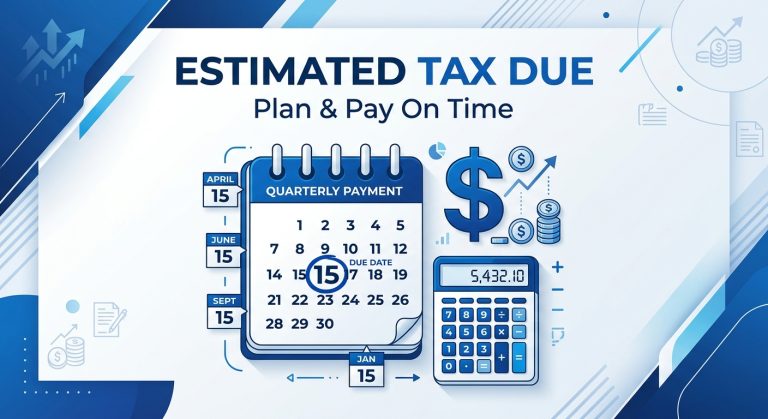
For most individual taxpayers, the primary tax filing deadline for federal income tax returns for the 2023 tax year is Monday, April 15, 2024. This is also the deadline for paying any tax due to avoid penalties and interest. Taxpayers in Maine and Massachusetts have until April 17, 2024, due to state holidays. It’s crucial to mark this date on your calendar. This deadline also applies to filing an extension if you need more time. Remember, filing an extension grants you more time to file your return, but not more time to pay any taxes owed. Other important dates might include deadlines for estimated tax payments for self-employed individuals and business owners, which typically fall on April 15, June 15, September 15, and January 15 of the following year. Staying on top of these dates is fundamental to compliant and stress-free tax season navigation.
What to Do If You Haven’t Filed Yet
If you find yourself still gathering documents or simply haven’t filed your taxes yet, don’t panic, but act decisively. Start by collecting all necessary forms, including W-2s, 1099s, and any other income or deduction statements. If you anticipate needing more time, file for a tax extension by April 15th. This will typically grant you an additional six months to file your return (until October 15th). However, remember to estimate and pay any taxes you believe you owe by the April deadline to avoid penalties and interest. Common mistakes to avoid include rushing and making errors, overlooking eligible deductions or credits, or forgetting to sign your return. Utilize checklists to ensure you have all documentation and have reviewed your return thoroughly. For those feeling overwhelmed, professional assistance can be invaluable in ensuring accuracy and compliance, especially for last-minute filing tips and strategies.
Navigating Complexities with Professional Guidance
For taxpayers facing complex situations—such as owning a small business, managing investments, experiencing life changes like marriage or divorce, or dealing with international income—professional guidance is not just helpful; it can be essential. Tax laws are intricate and frequently updated, and navigating them independently can lead to missed opportunities or costly errors. A professional tax advisor can help you understand all applicable deductions and credits, ensure accurate reporting, and develop strategies for future tax planning. They can also assist with responding to IRS inquiries or audits, providing peace of mind and expert representation. Don’t let the intricacies of the tax code deter you from maximizing your refund or minimizing your liabilities; expert help is often an investment that pays for itself.
Partnering with Netfintax for Tax Success
In an ever-evolving tax landscape, having a trusted partner by your side is invaluable. At Netfintax, we understand that tax season can be a source of stress and confusion for many individuals and businesses. That’s why we are dedicated to providing comprehensive, expert support that goes beyond simply preparing your return. We aim to be your year-round resource, helping you navigate the complexities of tax law, maximize your financial outcomes, and ensure complete compliance with the latest IRS regulations. Our mission is your financial success, offering proactive solutions and peace of mind.
Expert Guidance for Your Tax Needs
Netfintax offers a full suite of professional tax services tailored to meet the diverse needs of US small business owners and individuals. Our experienced team of tax professionals provides more than just tax preparation; we offer strategic tax consultation to help you make informed financial decisions throughout the year. Whether you need assistance with individual income tax, small business tax planning, payroll services, or navigating complex IRS notices, we have the expertise to guide you. We meticulously review your financial situation to identify every eligible deduction and credit, helping you optimize your tax situation and maximize your eligible refunds or minimize your liabilities. With Netfintax, you gain access to expert tax advice that ensures not only compliance but also robust financial health.
Stay Informed with Netfintax Updates
The tax code is dynamic, with frequent changes and updates from the IRS. Staying informed is critical to effective tax planning and financial management. Netfintax is committed to keeping our clients ahead of the curve. We continuously monitor IRS announcements and legislative changes, providing timely insights and proactive advice. By partnering with us, you can rely on Netfintax for ongoing updates and strategic tax planning throughout the year, positioning our firm as your trusted resource for all tax-related matters. Don’t let tax season catch you unprepared; let Netfintax empower you with the knowledge and support needed for enduring financial success. Contact us today to learn how our dedicated team can assist with all your accounting firm near me and tax needs.
Frequently Asked Questions
Q: What is the average tax refund amount this season?
A: As of the sixth week of the current tax filing season, the average tax refund issued by the IRS is $3,571. This marks a significant 10.9% increase compared to the same period in the previous tax season.
Q: How much has the IRS issued in total refunds so far this tax season?
A: The IRS has issued a total of $202.6 billion in refunds as of the sixth week. This amount is nearly $23 billion more than what was issued during the corresponding period last tax season.
Q: Why are tax refunds higher this year?
A: Several factors likely contribute to higher refunds, including inflation adjustments to tax brackets and standard deductions, potential changes in individual income and withholding settings, and the effective utilization of various tax credits and deductions by taxpayers.
Q: What should I do if I haven’t filed my taxes yet?
A: If you haven’t filed yet, ensure you gather all necessary documents, consider seeking professional assistance if your situation is complex, and be mindful of the primary tax filing deadline (typically April 15th) to avoid penalties. You can also file for an extension if you need more time.
Q: How can Netfintax help me with my taxes?
A: Netfintax provides expert tax preparation, proactive tax planning, and consultation services for individuals and businesses. We help you understand the latest IRS updates, optimize your tax situation, maximize your eligible refunds or minimize liabilities, and ensure full compliance with tax laws.