
IRS Tax Refund Update 2024: Surging Returns & What Filers Need to Know
As the 2024 tax filing season progresses, a significant trend is emerging from the latest Internal Revenue Service (IRS) data: taxpayers are receiving substantially larger refunds than in previous years. This surge in return amounts is not just a ripple; it’s a wave carrying billions more dollars back into the pockets of Americans, prompting both individual filers and small business owners to take a closer look at their financial strategies. Understanding the underlying reasons for this increase and its implications is crucial for making informed decisions about your finances now and in the future.
At Netfintax, we understand that tax season can be complex, and staying informed about IRS updates is paramount. This article will delve into the latest IRS refund statistics, explore the factors contributing to these higher returns, and provide practical advice on what this means for your financial planning. Whether you’re an individual taxpayer or a business owner, these insights will help you navigate the current landscape and optimize your tax position effectively.
The Current Tax Filing Season at a Glance: Big Numbers Emerge
The current tax filing season has been marked by remarkable figures, painting a picture of substantial financial shifts for many U.S. taxpayers. The IRS has been diligently processing returns, and the aggregated data reveals a dynamic environment where the average refund is notably higher, injecting considerable capital back into the economy. This broader context is essential for understanding the specific refund data points and their implications for individual and business finances.
Snapshot of the Latest IRS Data: Total Refunds Issued
According to recent IRS statistics, the volume of federal tax refunds issued during the 2024 tax season data period has been nothing short of impressive. Taxpayers across the nation have collectively received an astounding $202.6 billion in total refunds to date. This figure represents a significant increase, specifically a substantial $23 billion jump compared to the same period in the previous year. This notable rise, highlighted by analyses from institutions like the Tax Foundation, indicates a considerable shift in how much money is being returned to taxpayers. These IRS statistics are a key indicator of current tax filing trends and offer valuable insights into the economic landscape as shaped by federal tax refunds.
The Rise in Average Refund Amounts
Beyond the total sum, the individual impact of these tax filing trends is perhaps most evident in the rise of the average refund amount. Filers are seeing an average refund of $3,571, which marks a significant 10.9% increase over the average refund issued at this point last year. This substantial jump means that many Americans are receiving hundreds of dollars more than they might have anticipated. While individual experiences will always vary based on specific financial situations, the overall trend points to a robust increase in current refund amounts, signaling a potentially positive financial boost for a large segment of the taxpaying public.
Understanding the Surge: Why Are Refunds Higher This Year?
The significant increase in both total and average tax refund amounts this filing season is not random; it’s the result of several interconnected factors influencing the U.S. tax system. Understanding these underlying reasons is key to comprehending why so many taxpayers are asking, “why are tax refunds bigger this year?”
Impact of Inflation Adjustments and Tax Law Changes
One of the primary drivers behind the larger tax refunds is the series of inflation adjustments made by the IRS to various components of the tax code. Each year, the IRS adjusts tax brackets, standard deductions, and certain tax credits to account for inflation. For the 2023 tax year (filed in 2024), these adjustments were particularly impactful due to sustained inflationary pressures throughout 2022. For instance, the standard deduction for married couples filing jointly increased by $1,800 to $27,700, and for single filers by $900 to $13,850. This means more of your income is sheltered from taxation, leading to a lower taxable income and potentially a larger refund.
Furthermore, various tax credit amounts were also adjusted upwards. Credits like the Child Tax Credit (CTC), Earned Income Tax Credit (EITC), and education credits saw slight modifications. While there weren’t major, sweeping tax law changes comparable to the Tax Cuts and Jobs Act (TCJA) of 2017, these incremental adjustments, particularly those related to the standard deduction increase and their compounded effect with higher inflation, play a crucial role. They effectively reduce the tax burden for many, contributing directly to the tax credit impact and ultimately, larger refund checks.
Shifts in Income, Withholding, and Deduction Utilization
Beyond inflation adjustments, individual taxpayer behaviors and economic conditions also contribute significantly to the higher refund figures. Many taxpayers experienced shifts in their income levels over the past year. Wage growth in certain sectors, or changes in employment, might have altered their overall tax liability.
Crucially, adjustments in W-4 withholdings can also dramatically impact a refund. Some taxpayers may have intentionally or unintentionally over-withheld federal income tax from their paychecks throughout the year. While a large refund might feel like a bonus, it essentially means you’ve given the government an interest-free loan. Conversely, taxpayers who were more strategic about their withholdings might see smaller refunds but had more access to their money throughout the year.
Lastly, increased utilization of deductions or credits can also play a role. As taxpayers become more aware of eligible deductions and credits—from contributions to traditional IRAs and 401(k)s, health savings accounts (HSAs), or various itemized deductions—they are better positioned to reduce their taxable income. This diligent approach to claiming every allowable tax benefit helps explain why many individuals and businesses are seeing a more favorable refund outcome this year.
What This Means for You: Practical Implications for Taxpayers
The news of higher average tax refunds can be encouraging, but it also presents an opportune moment for taxpayers to reflect on their financial strategies. Understanding the practical effects of these trends can empower you to make smarter decisions about your current finances and future planning.
Re-evaluating Your Withholding and Estimated Taxes
If you’ve received a substantially larger tax refund this year, it might be a good time to re-evaluate your withholding. While a big refund can feel like a windfall, it essentially means you’ve allowed the government to hold onto more of your money than necessary throughout the year. For many, having that money distributed in smaller increments throughout the year via their paychecks could be more beneficial for managing cash flow, especially in today’s economic climate.
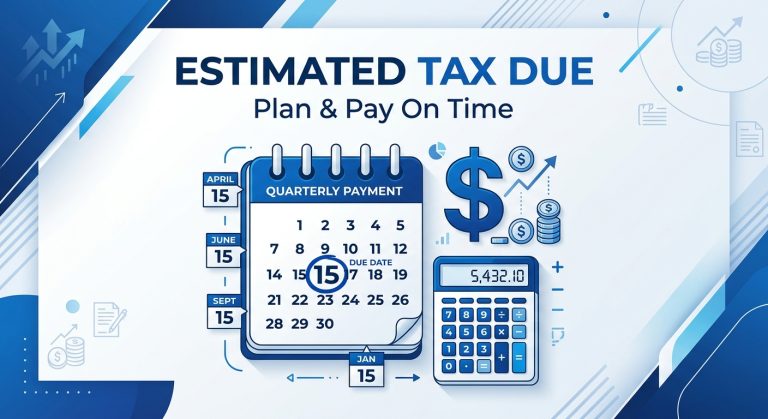
Taxpayer advice often suggests aiming for a smaller refund, or even breaking even, to maximize your take-home pay. You can adjust your W-4 form with your employer to modify the amount of federal income tax withheld from your salary. Similarly, if you’re a small business owner or an individual with significant income not subject to withholding (e.g., self-employment income, rental income), it’s crucial to review your estimated tax planning. Incorrect estimated tax payments can lead to penalties, but overpaying can tie up capital that could be working for you elsewhere. Consulting with a tax professional can help you strike the right balance, ensuring you’re withholding the correct amount without giving an unnecessary interest-free loan to the IRS.
Strategic Use of Your Tax Refund
With a potentially larger tax refund in hand, the question becomes: how can you best utilize this unexpected boost to your finances? The way you deploy your refund can have a lasting impact on your financial well-being. Here are some common strategies:
- Pay Down High-Interest Debt: If you carry credit card balances or other high-interest loans, using your refund to reduce this debt can save you a significant amount in interest payments over time.
- Build Your Emergency Fund: Financial security often starts with a robust emergency fund. If you don’t have 3-6 months’ worth of living expenses saved, a tax refund is an excellent way to boost or establish this crucial safety net.
- Contribute to Retirement Accounts: Boost your long-term savings by contributing to an IRA, Roth IRA, or your employer-sponsored 401(k) (if allowed as a lump sum contribution). This is a powerful way to leverage your refund for future growth and potentially gain additional tax advantages.
- Invest for Future Growth: Beyond retirement accounts, consider investing your refund in a brokerage account. Whether it’s stocks, bonds, or mutual funds, investing can help your money grow over time.
- Home Improvements or Major Purchases: If you have specific financial goals like a down payment for a home, a car, or necessary home repairs, your refund can provide a welcome boost.
Ultimately, financial planning with your refund should align with your personal financial goals. Consider your most pressing needs and long-term aspirations before deciding how to allocate these funds.
Maximizing Your Future Refunds and Minimizing Tax Surprises
While reacting to the current tax season data is important, taking a proactive approach to your tax planning is even more valuable. Effective year-round strategies can help you optimize your tax situation, potentially leading to greater refunds in the future or, more strategically, reducing your tax liability throughout the year.
Key Strategies for Proactive Year-Round Tax Planning
Don’t wait until tax season rolls around to think about your taxes. Implementing these tax planning tips 2024 can make a substantial difference:
- Diligent Record-Keeping: Maintain meticulous records of all income, expenses, charitable contributions, and financial transactions throughout the year. Digital tools and cloud storage can make this easier than ever. Good records are foundational for maximizing tax deductions and avoiding last-minute scrambling.
- Understand Eligible Deductions and Credits: Take the time to educate yourself on the deductions and credits that apply to your specific situation. This could include student loan interest, health insurance premiums (for self-employed individuals), business expenses, or energy-efficient home improvements. Missing out on these can significantly impact your tax outcome.
- Optimize Retirement Contributions: Maximize contributions to tax-advantaged accounts like 401(k)s, IRAs, and HSAs. Not only do these accounts help you save for the future, but contributions can often reduce your taxable income for the current year.
- Regularly Review Your Financial Situation: Major life events—marriage, divorce, new children, buying a home, changing jobs—all have tax implications. Review your financial situation at least once or twice a year to adjust your planning accordingly.
- Estimate Self-Employment Taxes: If you’re a small business owner, accurately estimating and paying your quarterly self-employment taxes is critical to avoid penalties and ensure a smooth tax season.
By consistently applying these year-end tax strategies and ongoing practices, you can take greater control over your tax outcome and ensure you’re always making the most of the available tax benefits.
The Indispensable Role of Professional Tax Guidance
The U.S. tax code is famously complex and ever-changing. For individuals and especially for small business owners, navigating these intricacies can be daunting. This is where the indispensable role of professional tax guidance comes into play.
Partnering with a qualified tax professional like Netfintax ensures accuracy in your filings, significantly reducing the risk of errors or costly audits. More importantly, experts can help you optimize deductions and credits that you might otherwise overlook. They have an in-depth understanding of the latest tax laws, inflation adjustments, and specific regulations that apply to your unique financial situation, whether it’s personal investments, business expenses, or complex income streams.
A professional can also provide valuable strategic advice, helping you with proactive tax planning, assessing the tax implications of major financial decisions, and structuring your affairs to minimize future tax liabilities. Their expertise can help you avoid tax surprises, save you time, reduce stress, and ultimately, put more money back into your pocket or allocate it more effectively for your financial goals.
Netfintax: Your Partner in Navigating IRS Updates and Optimizing Your Taxes
In a landscape of continuous IRS updates and evolving tax laws, having a trusted expert by your side is not just convenient—it’s essential. At Netfintax, we are committed to being that partner for you, providing comprehensive accounting and tax services designed to help individuals and businesses thrive.
Expert Assistance for Individuals and Businesses
Netfintax offers a broad spectrum of expert services tailored to meet the diverse needs of our clients. For individual taxpayers, we provide meticulous tax preparation services, ensuring every eligible deduction and credit is claimed, and your return is filed accurately and on time. Beyond just filing, we offer strategic tax planning advice, helping you understand how current IRS updates impact your personal finances and how to plan for future tax efficiency.
For small to medium-sized businesses, our services extend far beyond basic tax preparation. We understand the unique challenges and opportunities faced by business owners. Our expert team provides comprehensive small business accounting solutions, including bookkeeping, payroll services, and financial statement preparation. More critically, we offer strategic tax planning and consulting services specifically designed to optimize your business’s tax position, maximize your profitability, and ensure you’re taking full advantage of all available business deductions and credits. Whether you’re a sole proprietor or managing a growing enterprise, Netfintax tax services are designed to support your financial success.
Staying Ahead with Current IRS Regulations and Compliance
The tax code is dynamic, with new regulations and IRS updates emerging regularly. Staying compliant while simultaneously maximizing financial benefits can be a full-time job. That’s why Netfintax makes it our priority to remain at the forefront of all tax law changes and IRS developments.
Our team continuously monitors legislative updates and IRS pronouncements to ensure that our advice and services reflect the most current requirements. We proactively keep our clients informed about how these changes might affect their tax situation, providing timely insights and adjustments to their tax strategies. This commitment to staying ahead means you can trust Netfintax to guide you through complex IRS compliance assistance, helping you avoid penalties and achieve peace of mind. With our expert tax consulting, you can focus on what you do best, confident that your tax affairs are in capable hands, fully compliant, and strategically optimized.
The recent IRS refund update 2024 serves as a powerful reminder of the importance of informed tax planning. Whether you’re receiving a larger refund or looking to optimize your tax situation year-round, Netfintax is here to provide the expert guidance you need. Don’t leave money on the table or face unnecessary tax surprises. Contact Netfintax today for a personalized consultation and let us help you navigate the complexities of tax season and achieve your financial goals.
Frequently Asked Questions
Is my tax refund likely to be higher this year based on the current IRS data?
While the average refund has increased to $3,571, individual refunds depend on various factors like income, deductions, credits claimed, and withholding. Review your own tax situation to see if you might expect a higher return.
What’s the best way to utilize a larger tax refund?
Financial experts often recommend using a refund strategically: pay down high-interest debt, build an emergency fund, contribute to retirement accounts, or invest for future growth. Consult with a financial advisor for personalized advice.
How can I check the status of my federal tax refund?
You can check the status of your refund using the IRS ‘Where’s My Refund?’ tool on their website, or through the IRS2Go mobile app. You’ll need your Social Security number, filing status, and the exact refund amount shown on your tax return.
What is the tax filing deadline for the current year?
For most taxpayers, the federal tax filing deadline for 2024 (for the 2023 tax year) is April 15, 2024. If you live in Maine or Massachusetts, due to holidays, the deadline is April 17, 2024. Always confirm the exact date with official IRS sources.
What if I haven’t filed my taxes yet, and am worried about the deadline?
If you haven’t filed, it’s crucial to do so as soon as possible. If you need more time, you can file for an extension, which typically grants you an additional six months. However, an extension to file is not an extension to pay; any taxes owed are still due by the original deadline.