
IRS Extends Tax Deadline to May 1 for Washington State Residents Affected by December Floods
The aftermath of natural disasters can be devastating, leaving individuals and businesses grappling with immense challenges. When communities face such adversity, navigating crucial responsibilities like tax obligations often becomes an overwhelming burden. Recognizing this reality, the Internal Revenue Service (IRS) has announced significant tax relief for residents of Washington State affected by the severe storms and flooding that occurred in December 2025. This critical update means that many taxpayers now have an extended deadline to file various federal tax returns and make payments.
At Netfintax, we understand the stress and confusion that natural disasters can inflict, particularly when it comes to financial and tax matters. Our goal with this article is to clarify the details of this extension, ensuring that affected individuals and business owners in Washington State are fully informed about their eligibility and the actions they need to take. This relief offers a valuable opportunity not only to catch up on filings but also to strategically assess your financial position.
Understanding the IRS Tax Deadline Extension for Washington State
The recent IRS announcement marks a pivotal moment for thousands of Washington State residents and businesses still recovering from the widespread impact of December 2025’s severe weather events. This extension is a direct response to the federal disaster declaration, providing much-needed breathing room for those whose lives and livelihoods were disrupted. For many, this means a significant deferral, pushing critical federal tax deadlines well into the spring of 2026. This measure underscores the IRS’s commitment to providing tangible `tax relief Washington` residents genuinely need during recovery efforts.
The Why: December 2025 Severe Storms and Flooding
The catalyst for this extended relief was the series of `severe storms December 2025` brought to parts of Washington State, resulting in extensive `flooding`. These extreme weather conditions led to widespread damage, displacement, and significant disruption to daily life and commerce. Homes were damaged, businesses were forced to close, and essential infrastructure was compromised. In recognition of the severe impact on communities, the Federal Emergency Management Agency (FEMA) issued a `disaster declaration`, paving the way for the IRS to implement special `IRS disaster relief` measures. This federal designation acknowledges the extraordinary circumstances faced by residents and underscores the necessity of providing flexibility with critical financial obligations. The decision to grant a `flood tax extension` reflects a compassionate approach to tax administration, allowing individuals and businesses to prioritize recovery without the immediate pressure of looming tax deadlines.
The What: New May 1st Deadline for Filing and Payment
For eligible Washington State residents, the most crucial detail of this `IRS update` is the `new May 1st deadline`. This extension moves various tax filing and payment due dates, which typically fall between December 2025 and April 30, 2026, to May 1, 2026. This includes not only the standard individual income tax filing deadline but also a wide array of business tax filings and associated payments. This isn’t just a simple filing extension; it also extends the payment deadline, meaning penalties for failure to pay will generally be waived for payments due during this period, provided they are made by the `Washington state tax extension` date. This comprehensive relief allows taxpayers to regroup, organize their records, and address pressing recovery needs without the added stress of immediate tax compliance. Understanding that this extension covers both filing and payment is key for strategic financial planning during this challenging period.
Are You Eligible? Identifying Affected Washington Counties and Taxpayers
Understanding whether you qualify for this vital `IRS disaster relief` is the next crucial step. The extension isn’t universal across the entire state of Washington but is specifically targeted at areas that suffered the most severe damage. The IRS meticulously defines the `eligible taxpayers WA` and the geographical scope of the relief to ensure aid reaches those who need it most. This section will guide you through the specifics of who qualifies, ensuring you can confidently determine your eligibility for this `Washington tax relief`.
The 16 Washington Counties Receiving Relief
The `IRS designated disaster area` for this specific relief includes 16 counties in Washington State. It is imperative for individuals and business owners to confirm if their county is on this official list. While we can’t provide the real-time, exhaustive list here (as official declarations can sometimes have minor adjustments), we strongly advise all potentially `eligible taxpayers WA` to consult the official IRS disaster relief page for the most up-to-date and precise list of `Washington disaster counties`. Alternatively, contacting Netfintax is an excellent way to confirm your eligibility quickly and accurately. Our team stays abreast of all official IRS announcements and can help you navigate the specifics to ensure you don’t miss out on crucial relief if your county was impacted by the `December 2025 floods impact`.
Who Qualifies: Individuals, Businesses, and Other Entities
The scope of this `tax relief eligibility criteria` is broad, designed to assist a wide range of taxpayers impacted by the severe storms and flooding. Generally, the extension applies to:
* **Individuals:** Those residing in or having a principal place of business in the designated `Washington disaster counties`.
* **Businesses:** This includes various structures such as sole proprietorships, partnerships, S corporations, and C corporations, whose principal place of business or tax records are located within the affected areas.
* **Tax-Exempt Organizations:** Non-profit entities also receive the same relief if they are located in or provide services to the disaster areas.
* **Workers Assisting in Relief Activities:** Even taxpayers located outside the disaster area but whose records necessary to meet a deadline are in the affected area, or those involved in relief activities who are affiliated with a recognized government or philanthropic organization, may also qualify for this extension.
This comprehensive approach ensures that the relief extends beyond just personal filings, encompassing the economic backbone of the affected regions. If you are uncertain about your specific situation, particularly concerning your `December 2025 floods impact` and how it relates to your tax obligations, consulting with a tax professional from Netfintax can provide the clarity you need.
Which Federal Tax Returns and Payments Are Covered?
Understanding the precise scope of federal tax obligations covered by this extension is crucial for `eligible taxpayers WA`. The `IRS disaster relief` is not limited to just one type of filing but encompasses a broad spectrum of `federal tax forms` and payments that would typically be due during the affected period. This comprehensive approach ensures that those dealing with the aftermath of the December 2025 floods have ample time to address all relevant federal tax matters without added penalty or interest.
Comprehensive Coverage for Various Filings
The extension to May 1, 2026, includes several key `federal income tax extension` types that were originally due on or after December 1, 2025, and before May 1, 2026. This comprehensive list primarily covers:
* **Individual Income Tax Returns:** This includes Form 1040, the standard return for most individuals. The extension covers the original filing deadline of April 15, 2026, for the 2025 tax year, meaning individuals get an automatic deferral for their `1040 extension Washington` filing.
* **Business Returns:** This is a significant relief for `business tax deadline WA` impacted entities. The extension applies to various corporate and partnership returns, including:
* **Form 1120** (U.S. Corporation Income Tax Return)
* **Form 1065** (U.S. Return of Partnership Income)
* **Form 1120-S** (U.S. Income Tax Return for an S Corporation)
* **Form 990** (Return of Organization Exempt From Income Tax) for tax-exempt organizations.
* **Estate and Trust Income Tax Returns:** Forms 1041.
* **Other Federal Returns:** This can also include various other federal information returns and certain `excise tax relief` filings that fall within the specified period.
This broad coverage ensures that most taxpayers, whether individuals or businesses, can benefit from the extended time to gather records, reconstruct lost documents, and accurately prepare their returns.
Estimated Tax Payments and Other Obligations
Beyond annual returns, the `IRS disaster relief` also extends deadlines for certain quarterly obligations and deposits, which is particularly beneficial for small businesses and self-employed individuals. The extension to May 1, 2026, specifically covers:
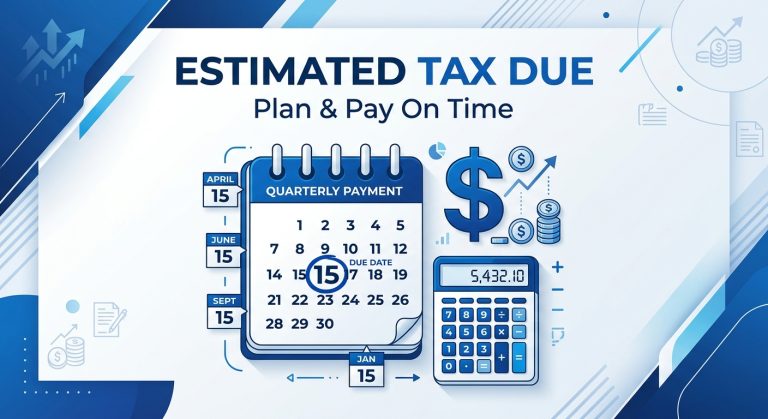
* **Estimated Tax Payments:** This includes the fourth-quarter estimated tax payment for the 2025 tax year, which was originally due on January 16, 2026. Crucially, it also covers the first-quarter estimated tax payment for the 2026 tax year, originally due on April 15, 2026. This `estimated tax payment extension` provides a significant cash flow benefit for many businesses and individuals managing their income throughout the year.
* **Payroll Tax Deposits:** For employers, various `payroll tax relief` deposits are also covered, provided their original due dates fell within the relief period. This includes employment and `excise tax relief` deposits.
* **Pension Contributions:** Certain deadlines for contributions to various retirement plans may also be extended.
It’s important to note that the extension automatically postpones penalties for failure to file and failure to pay, provided the covered tax returns are filed and payments are made by the new May 1, 2026, deadline. However, interest may still apply to underpayments from the original due date. Navigating these nuances can be complex, and Netfintax is here to provide clarity and ensure all your `federal tax forms` are handled correctly.
Key Actions for Affected Taxpayers: What You Need to Do
While the IRS aims to simplify the process for disaster victims, understanding your role and what steps you might need to take is crucial. For most affected taxpayers, the process is straightforward, with the IRS proactively implementing the relief. However, certain situations may require your direct attention. This section outlines the `tax filing instructions WA` residents should follow, ensuring they fully benefit from this `disaster victim tax relief` and understand how to claim their `IRS penalty relief` if needed.
Automatic Relief: When the IRS Acts On Your Behalf
One of the most reassuring aspects of this `IRS update` is that `claiming tax extension` relief is often automatic. For taxpayers with an IRS address of record located in one of the designated disaster areas, the IRS will automatically apply the extended deadline. This means that, in most cases, you do not need to file a separate Form 4868 (Application for Automatic Extension of Time to File U.S. Individual Income Tax Return) or contact the IRS to request this particular relief. The IRS uses your address on file to identify eligible taxpayers. This simplifies `IRS compliance` during a stressful time, allowing individuals and businesses to focus on recovery without the immediate burden of filing additional paperwork just to secure an extension.
What If You’ve Already Filed or Received a Penalty Notice?
Even with automatic relief, some specific scenarios might require action:
* **If You’ve Already Filed:** If you are an eligible taxpayer who filed your federal tax return and made your payment *before* this extension was announced, generally no further action is required. The primary benefit of the extension is to provide more time, not to facilitate refunds for early filers under these circumstances. However, if you have a unique situation or believe you are due a refund related to disaster losses, consulting with a tax professional is advisable.
* **If You’ve Received a Penalty Notice:** If you reside in an `IRS designated disaster area` but receive an IRS penalty notice for an original due date that falls within the relief period, do not ignore it. You should contact the IRS by calling the number on your notice to explain that you are an affected taxpayer. It’s often helpful to mention the specific disaster declaration number if you have it. Alternatively, Netfintax can assist you in contacting the IRS and requesting `abating IRS penalties`, helping to ensure your case is properly reviewed and the penalty is removed.
* **Taxpayers Outside Designated Areas:** If your records are in an affected area but your principal residence or business is not, you may need to contact the IRS to request the relief.
Documenting Your Disaster-Related Losses (Optional)
While not directly tied to this specific deadline extension, it is always a wise practice for `disaster victim tax relief` recipients to begin `documenting your disaster-related losses`. Keep meticulous records of any damage to property, business interruption, and expenses incurred due to the December 2025 floods. This includes photographs, receipts for repairs, insurance claims, and any other relevant paperwork.
While this information may not directly impact the May 1, 2026, filing deadline, it can be crucial for future tax years, especially if you plan to claim casualty losses or other related deductions. Having thorough `tax documentation` will significantly streamline any future tax claims and strengthen your position if the IRS requires verification. Netfintax can offer guidance on what types of documentation are most useful and how to best organize them for potential future tax benefits.
Beyond May 1st: Planning Your Financial Future with Netfintax
The extended tax deadline to May 1, 2026, for Washington State residents affected by the December 2025 floods is more than just a reprieve; it’s a strategic window. While the immediate goal is to file accurate returns and make timely payments, this additional time offers a unique opportunity for proactive `financial planning WA` taxpayers should seize. Netfintax is dedicated to helping you look beyond the current filing season, transforming a stressful situation into a chance for long-term financial resilience.
Utilizing the Extended Time for Strategic Planning
For many, the standard tax season can feel like a scramble, with little time for anything beyond basic compliance. This extension provides a valuable opportunity to move from reactive filing to proactive `tax planning Washington`. Instead of rushing to meet the deadline, consider using the extra months to:
* **Review Your Financial Health:** Conduct a thorough assessment of your personal or business finances, especially in light of any disaster-related impacts.
* **Identify Potential Tax Savings:** With more time, you can meticulously review all eligible deductions and credits, ensuring you don’t overlook any opportunities to reduce your tax liability for the 2025 tax year and plan for future years.
* **Reconstruct Records:** If your financial records were damaged or lost in the floods, the extended deadline gives you ample time to gather replacements and organize your information properly.
* **Plan for Future Years:** Engage in forward-looking `tax planning Washington` strategies. This might include adjusting withholding, making estimated tax payments more accurately for 2026, or exploring retirement contributions and investment strategies that align with your financial goals.
* **Assess Business Recovery:** For small business owners, this period is critical for assessing cash flow, evaluating disaster recovery grants or loans, and integrating these into your long-term `financial planning WA` strategy.
Expert Assistance for Complex Tax Situations
Natural disasters often introduce unforeseen complexities into tax situations. Whether you’re dealing with insurance claims, casualty losses, business interruption, or simply the overwhelming task of piecing together your financial life, expert `professional tax help` is invaluable. Netfintax specializes in providing comprehensive `IRS guidance` and support for individuals and small businesses navigating `complex tax issues`.
Our team understands the unique challenges faced by `small business tax help` seekers and individual taxpayers in the wake of a disaster. We can help you:
* **Ensure Compliance:** Confirm that all your federal tax filings are accurate and submitted on time, avoiding future penalties.
* **Optimize Your Returns:** Identify all eligible deductions and credits, ensuring you take full advantage of any available `tax relief Washington` measures.
* **Navigate Disaster-Related Deductions:** Understand how to properly claim casualty losses or other disaster-related tax benefits.
* **Reconstruct Financial Records:** Provide guidance and support for rebuilding lost or damaged financial documentation.
* **Develop Future Strategies:** Work with you to create a robust financial and `tax planning Washington` strategy that incorporates lessons learned from the disaster and positions you for future success.
Don’t let the extended deadline lull you into a false sense of security. Use this opportunity wisely. Contact Netfintax today for a consultation. Let us be your trusted partner in navigating these challenging times, ensuring your tax and financial future is secure.
Frequently Asked Questions
Which Washington counties are included in this IRS tax deadline extension?
The IRS has designated 16 Washington state counties for this relief due to severe storms and flooding in December 2025. For a complete and official list of these counties, taxpayers should refer to the official IRS disaster relief page or contact Netfintax for assistance.
Do I need to apply for this extension or file any special forms?
Generally, no. If your address is located within one of the designated disaster areas, the IRS will automatically apply the extension to your account. You typically do not need to file a separate Form 4868. However, if you receive an IRS penalty notice and believe you qualify for relief, you should contact the IRS or Netfintax for guidance.
Does this extension apply to state tax filings in Washington?
This specific announcement from the IRS pertains only to federal tax filings and payments. Taxpayers in Washington state should directly check with the Washington State Department of Revenue for information regarding any potential extensions or relief for state tax deadlines.
What if I already filed my federal taxes and paid before this extension was announced?
If you have already filed your federal tax return and made your payment before this extension was announced, no further action is usually required on your part. This extension is primarily intended to provide additional time for those who need it due to the disaster, not to generate refunds for early filers. If you believe you overpaid or have unique circumstances, consult with a tax professional.
Is this extension only for individuals, or does it cover businesses too?
The extension applies broadly to both individuals and various types of businesses, including corporations, partnerships, and other tax-exempt organizations. This relief is available to any taxpayer whose original filing or payment deadline falls within the specified period and whose tax records or principal place of business is located in the affected counties.