
Navigating Tax Deadline Extensions & Financial Resilience: Your Guide with Netfintax
In an ever-changing world, unexpected events can disrupt lives and livelihoods, bringing with them a cascade of financial challenges. From unforeseen personal emergencies to widespread natural disasters, the impact can be profound, often affecting everything from daily expenses to critical tax obligations. During such times, understanding your options, particularly regarding tax deadlines and available relief, becomes paramount. Moreover, building strong financial resilience isn’t just about weathering the storm—it’s about empowering yourself and your business to recover faster and emerge stronger.
At Netfintax, we understand the complexities and anxieties that arise during these difficult periods. Our mission is to provide clear, actionable guidance that helps you navigate the intricacies of tax regulations, leverage available financial relief, and cultivate robust financial preparedness for whatever the future may hold. This comprehensive guide will walk you through the IRS tax deadline extension process, outline financial relief options, discuss proactive planning strategies, and show how Netfintax stands as your trusted partner every step of the way.
The IRS Tax Deadline Extension Process Explained
When disaster strikes or other significant events unfold, the Internal Revenue Service (IRS) often steps in to provide critical relief by extending tax deadlines. Understanding how this process works is essential for individuals and businesses seeking to manage their financial obligations without added stress during challenging times. These extensions are not automatic for everyone; they are specifically granted under certain conditions, primarily aimed at assisting those directly impacted by severe disruptions.
What Triggers an IRS Extension?
IRS tax filing extensions are typically triggered by specific, declared events that significantly impede taxpayers’ ability to meet their obligations. The most common scenario leading to such extensions involves federal disaster declarations made by the President, often in response to natural disasters like hurricanes, floods, wildfires, or severe storms. Once an area is declared a federal disaster area, the IRS usually announces specific IRS disaster relief measures, including extended deadlines. Less common triggers might include other unforeseen events impacting a broad population’s ability to file or pay taxes. These declarations are typically publicized through official IRS news releases and their website, providing details on affected localities and new due dates. It’s important to note that these extensions are specifically for filing, not for payment, unless explicitly stated.
Who Qualifies and How to Confirm Eligibility?
Generally, taxpayers residing or operating a business within a federally declared disaster area qualify for the extension. This often includes individuals and households, as well as businesses and tax-exempt organizations located in the affected region. Sometimes, even those outside the declared disaster area may qualify if their records are located within it, or if they are relief workers assisting in the disaster efforts. To confirm your tax extension eligibility, the most reliable source is the official IRS website, particularly their “Tax Relief in Disaster Situations” page. Here, you’ll find detailed lists of declared disaster areas and corresponding IRS declaration dates and relief provisions. You can also consult with tax professionals like those at Netfintax, who can help interpret the specific announcements and verify if your circumstances meet the criteria for available tax relief programs.
Key Dates and Deadlines to Remember
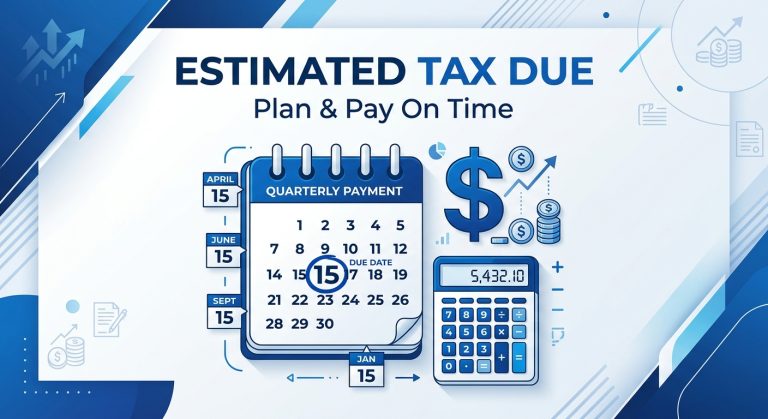
It is crucial to differentiate between an original filing deadline and an extended deadline. While an IRS extension grants you additional time to file your tax return, it generally does not extend the time to pay any taxes owed. This distinction is vital because interest and penalties may still accrue on unpaid tax liabilities from the original due date. For instance, if the original deadline was April 15th and an extension is granted until October 15th, you have until October 15th to file your return. However, any taxes you owed from April 15th are still considered late if not paid by that date, and you might face penalties. The IRS will typically specify revised payment deadlines in their disaster relief announcements if they are also extended. Always verify both the filing and payment deadlines applicable to your situation to avoid unexpected costs.
Understanding Financial Impact & Relief After Natural Disasters
Beyond the immediate trauma and disruption, natural disasters leave a significant financial footprint. For individuals and businesses alike, the road to recovery often involves navigating a complex landscape of losses, unexpected expenses, and a pressing need for financial stability. Fortunately, various forms of tax and financial relief are often available to help ease this burden, extending beyond simple filing extensions.
Immediate Financial Concerns Post-Disaster
The aftermath of a disaster presents a myriad of immediate financial challenges. For homeowners and renters, this often means significant property loss, including damage to homes, vehicles, and personal belongings. Businesses may face devastating losses to inventory, equipment, and physical premises, leading to severe income disruption due to closures or reduced operations. Beyond direct damage, there are often unexpected expenses such as temporary housing, increased transportation costs, medical needs, and debris removal. Navigating these immediate concerns requires a clear understanding of personal finances, available emergency funds, and potential avenues for assistance, including communication with banks, creditors, and insurance providers.
Types of Tax Relief Available Beyond Extensions
While extended filing deadlines offer crucial breathing room, the IRS provides other substantive forms of tax relief to disaster victims. One of the most significant is the ability to claim a casualty loss deduction. If your property is damaged or destroyed by a federally declared disaster, you may be able to deduct these losses on your federal income tax return. The rules for casualty losses can be complex, often requiring coordination with insurance claims. Additionally, the IRS may waive certain penalties, such as those for failure to deposit employment taxes, and allow for the deferral of certain tax payments related to disaster recovery. Understanding these options, including potential deferrals for certain tax payments, can significantly reduce the financial strain during recovery. Furthermore, federal agencies like FEMA assistance may provide direct financial assistance, though this is separate from tax relief.
Documentation and Record-Keeping for Disaster Claims
Meticulous documentation and record-keeping are paramount when recovering from a disaster and seeking financial relief. For insurance claims, you’ll need detailed inventories of damaged or lost property, photographs or videos before and after the event, repair estimates, and receipts for temporary living expenses. Similarly, to claim tax-deductible losses or other relief, the IRS requires robust evidence. This includes records of property basis, repair costs, insurance reimbursements, and any grants or assistance received. Maintaining a digital backup of all critical documents, alongside physical copies stored securely, is a cornerstone of effective disaster financial planning. This proactive approach ensures you have the necessary proof to maximize your eligible claims and streamline your financial recovery process.
Proactive Financial Planning for Unexpected Events
While we can’t predict the future, we can certainly prepare for it. Building financial resilience is not merely a reaction to crisis but a continuous process of proactive planning. By implementing smart strategies, individuals and businesses can establish a robust safety net that helps them navigate unforeseen challenges with greater confidence and less financial strain.
Building an Emergency Fund and Financial Safety Net
One of the cornerstones of emergency preparedness is establishing and maintaining an adequate emergency fund. This dedicated savings account should ideally hold enough to cover three to six months of essential living expenses for individuals, or several months of operating costs for businesses. This fund acts as a vital buffer, providing immediate liquidity to cover unexpected costs, income disruption, or emergency repairs without resorting to high-interest debt. Regular contributions, even small ones, can steadily build this financial safety net, making it a critical component of any comprehensive personal finance planning strategy and a foundational element of your financial resilience strategy.
The Role of Insurance in Disaster Preparedness
Insurance is a fundamental tool for risk management and a non-negotiable aspect of disaster preparedness. Reviewing and updating your insurance policies regularly is crucial. Homeowners and renters insurance are standard, but consider additional coverages like flood insurance (as standard policies often exclude flood damage), earthquake insurance, or extended coverage for specific perils prevalent in your area. For businesses, property insurance is vital, but don’t overlook business interruption insurance, which can replace lost income if your operations are halted due to a covered event. Adequate insurance ensures that major financial losses from disasters don’t completely derail your recovery efforts and offers a critical layer of asset protection.
Establishing a ‘Go-Bag’ for Important Financial Documents
In a crisis, quick access to vital financial and legal documents can be lifesaving. Create a “go-bag” or a secure, easily accessible digital folder (with backups) containing copies of essential documents. This includes identification (passports, driver’s licenses), birth certificates, social security cards, insurance policies (home, auto, health, life), titles and deeds, wills, powers of attorney, bank account numbers, investment statements, and contact information for financial advisors, attorneys, and insurance agents. For businesses, include articles of incorporation, tax ID numbers, key contracts, and employee records. Storing these documents securely, both physically in a fireproof/waterproof safe and digitally in an encrypted cloud service, is a smart move that supports your business continuity plan and overall financial security.
How Netfintax Assists with Tax Extensions & Disaster Recovery
Navigating the aftermath of an unexpected event, particularly one that impacts your financial stability and tax obligations, can be overwhelming. At Netfintax, we serve as your steadfast partner, offering expert guidance and practical support to ease your burden during these challenging times. Our specialized services are designed to help you understand complex regulations, maximize your relief options, and rebuild your financial footing.
Expert Guidance on Eligibility and Filing Requirements
When the IRS announces disaster relief, the details can be intricate and specific. Our professionals at Netfintax provide expert guidance on eligibility, helping you quickly ascertain if you or your business qualify for any announced tax extensions or relief programs. We stay abreast of all official IRS announcements, interpreting the fine print to ensure you understand your specific filing requirements and available deadlines. From confirming if your geographical area is a federal disaster area to advising on the necessary forms and procedures, we streamline the process, allowing you to focus on immediate recovery efforts rather than deciphering complex tax codes. Consider us your primary resource for clear, concise, and accurate tax advisory services and professional tax help.
Maximizing Available Tax Relief and Deductions
Beyond extensions, disaster situations often open doors to significant tax savings through deductions and credits. Netfintax excels in identifying and helping clients claim all applicable tax breaks, such as the crucial casualty loss deduction. We meticulously review your losses, insurance reimbursements, and recovery expenses to ensure no potential deduction is overlooked. Our team assists with the intricate documentation requirements, helping you compile the necessary records to substantiate your claims to the IRS. By ensuring tax compliance services while simultaneously minimizing your tax burden, we help you retain more of your resources for rebuilding and recovering. This proactive approach to disaster recovery accounting is vital for your financial healing.
Ongoing Financial Advisory and Planning Services
Our commitment at Netfintax extends beyond immediate crisis response. We believe in fostering long-term financial resilience strategy for our clients. We offer comprehensive financial consultation services designed to prepare you for future uncertainties. This includes helping you establish robust emergency funds, conducting thorough reviews of your insurance coverages, optimizing your record-keeping systems for quick access and compliance, and developing personalized strategies to protect your assets. Through continuous accounting support and proactive advice, Netfintax helps individuals and businesses build a stronger financial foundation, transforming vulnerability into strength and readiness for whatever lies ahead.
Your Partner in Financial Preparedness and Recovery
In moments of crisis, clarity and expert support are invaluable. The journey through tax deadline extensions, financial recovery, and proactive planning can be complex, but you don’t have to navigate it alone. Netfintax is committed to being your reliable partner, providing the expertise and guidance you need to safeguard your financial future.
Why Professional Guidance is Crucial
The intricacies of tax law, particularly when applied to disaster relief and financial recovery, can be daunting. Understanding eligibility requirements, navigating complex forms, and ensuring timely compliance while dealing with personal or business upheaval demands specialized knowledge. Attempting to manage these critical financial tasks without expert assistance can lead to missed opportunities for relief, costly errors, or unnecessary penalties. A professional firm like Netfintax offers peace of mind, ensuring that you benefit from all available provisions and adhere to all regulatory requirements, making the recovery process smoother and more efficient. Our accounting expertise and experience as tax and finance consultants are your greatest assets.
Taking the Next Steps Towards Financial Security
Now is the time to assess your own financial preparedness. Do you have an emergency fund? Are your insurance policies up-to-date and adequate? Are your crucial financial documents easily accessible? Taking these proactive steps can significantly enhance your financial security advice and overall resilience. Even if you haven’t been directly impacted by a recent disaster, the lessons learned from others’ experiences highlight the importance of being ready. Consider this an invitation to review your current financial strategies and identify areas where improvements can be made for better outcomes with a dedicated financial planning firm.
Contact Netfintax for Personalized Assistance
Whether you’re currently facing the aftermath of an unexpected event, need assistance with a tax extension, or are ready to fortify your financial future with proactive planning, Netfintax is here to help. Our team of experienced professionals provides personalized, compassionate, and expert client support tailored to your unique circumstances. Don’t wait until a crisis hits; let us help you build a stronger, more resilient financial foundation today. Reach out to Netfintax for a consultation to discuss your tax and financial needs and discover how our dedicated support can make a tangible difference in your financial peace of mind. Your financial resilience starts with a conversation.
Frequently Asked Questions
-
Q: Does a tax filing extension also extend the deadline for paying taxes?
A: Generally, no. A filing extension typically only grants more time to file your tax return, not to pay any taxes owed. Interest and penalties may still apply to unpaid taxes after the original due date. However, in federally declared disaster areas, the IRS may sometimes grant an extension for both filing and payment deadlines, so it’s crucial to check specific announcements.
-
Q: How can I confirm if my area is eligible for an IRS disaster tax relief extension?
A: You should check the IRS website directly, specifically their ‘Tax Relief in Disaster Situations’ page, or refer to official IRS announcements. These resources provide up-to-date lists of declared disaster areas and the specific relief provided. Netfintax can also assist you in verifying your eligibility based on federal disaster declarations and interpreting the IRS guidance.
-
Q: What kind of documentation is important for claiming disaster-related tax deductions?
A: It’s crucial to keep detailed records, including photos or videos of damaged property, repair estimates, receipts for repairs or temporary housing, and insurance claim reports. Any documentation that proves the loss, its value, and any reimbursements received is vital. The more comprehensive your records, the stronger your claim will be for casualty loss deductions.
-
Q: Can businesses also qualify for IRS disaster relief and extensions?
A: Yes, absolutely. Businesses, including sole proprietorships, partnerships, and corporations, are often eligible for the same or similar tax relief and extensions as individuals, provided they are located within or have records in a federally declared disaster area. This includes extensions for various business tax filings and the ability to claim certain disaster-related losses.
-
Q: How can Netfintax help me proactively prepare my finances for future unexpected events?
A: Netfintax offers comprehensive financial planning services designed to enhance your financial resilience. This includes personalized guidance on establishing and maintaining adequate emergency funds, reviewing and optimizing your insurance coverages (property, flood, business interruption), setting up efficient record-keeping systems for vital documents, and developing a tailored strategy to protect your assets and ensure business continuity. We help you build a robust financial safety net.