NYS Tax Typo Alert: How a Simple Error Impacted Thousands of New Yorkers’ 2023 Tax Returns
In the complex world of tax regulations, even the smallest oversight can have far-reaching consequences. For tens of thousands of New York taxpayers, a recent revelation from the New York State Department of Taxation and Finance has turned their 2023 tax filing experience into an unexpected ordeal. What began as a seemingly minor “typo” within the state’s tax system or guidance has led to significant financial discrepancies, causing confusion, frustration, and potential overpayments for hardworking individuals and small businesses across the state. This critical error, while unintentional, underscores the intricate challenges of tax compliance and the paramount importance of vigilance.
At Netfintax, we understand the stress and uncertainty that such regulatory missteps can inflict. Our goal with this article is to shed light on the New York tax error, explain who might be affected, and provide clear, actionable steps to help you navigate this unforeseen challenge. Ensuring the accuracy of your tax returns is not just about compliance; it’s about safeguarding your financial well-being. Let’s delve into the specifics of this NYS tax department mistake and what it means for you.
The New York State Tax Typo: An Unforeseen Error
The core of the current issue facing New York taxpayers stems from a critical, yet undisclosed, error made by the New York State Department of Taxation and Finance. This wasn’t an isolated incident affecting a handful of returns; it was a systemic computational flaw or an error embedded within their official guidance that rippled through the 2023 tax filing season, creating unexpected burdens for a substantial portion of the tax-paying populace.
Detailing the Typo’s Origin
While the exact nature of the “typo” or systemic error has not been fully detailed by the NYS Department of Taxation and Finance, official communications indicate that a fundamental mistake in their internal systems or guidance led to incorrect tax calculations. This wasn’t an issue of misinterpretation by taxpayers or preparers, but rather a flaw at the source, impacting the very mechanisms used to compute tax liabilities and refunds. Such a New York tax error highlights the immense responsibility placed on regulatory bodies to maintain flawless systems, as even a seemingly minor oversight can translate into widespread financial inaccuracies for citizens. The error primarily affected the 2023 tax filing issues for individuals and potentially some businesses, leading to a cascade of problems that are now surfacing.
The Immediate Fallout: Increased Liabilities and Reduced Refunds
The direct and most impactful consequence of this NYS tax department mistake has been a significant alteration in the financial outcomes for over 50,000 New York tax filers. For many, this has meant receiving an unexpected tax bill NY, finding themselves owing more state tax than they had initially calculated or anticipated. Others have experienced a noticeable reduction in their expected refunds, leading to significant NY tax refund problems and cash flow disruptions. This unexpected financial burden can be particularly challenging for small business owners and families who rely on accurate tax planning and prompt refunds to manage their budgets. The immediate fallout underscores the critical need for transparency and swift resolution from the state department, as these unexpected changes can have real-world implications on household finances and business operations.
Who Was Affected by the NYS Tax Department’s Mistake?
Understanding the scope of this New York tax error is crucial for all residents. The NYS Department of Taxation and Finance’s mistake wasn’t confined to a specific demographic or region; rather, its impact spread widely, catching many off guard. Identifying who might have been affected is the first step towards rectifying potential inaccuracies in your 2023 tax return.
The Scale of the Impact: Over 50,000 Filers
The sheer number of individuals affected by this systemic flaw is staggering. With over 50,000 New York taxpayers potentially receiving incorrect tax assessments, the issue is not isolated but widespread, affecting communities from Buffalo to Long Island, and from upstate NY tax issues to NYC tax problems. This substantial figure underscores the broad reach of the NYS tax department’s mistake, impacting not only individual tax returns NY but also potentially small business tax NY calculations. The implications are significant, indicating that a substantial segment of New York residents tax error could be dealing with higher tax bills or smaller refunds than they are rightfully due. This widespread nature demands a diligent review from all who filed a 2023 New York State return.
Identifying Potential Victims: Are You One of Them?
Given the broad impact, many New York taxpayers affected might not yet realize they’re part of this group. While the specific criteria for being affected have not been fully disclosed, certain scenarios might indicate you should scrutinize your return more closely. If your 2023 New York State tax refund was significantly lower than you expected, or if you received an unexpected tax bill when you anticipated a refund or a smaller liability, you could be a potential victim. Similarly, if you claimed specific state credits or deductions that seemed to yield less benefit than anticipated, your return might warrant a closer look. Small business owners in NY should also review their state tax filings, particularly if their calculations deviated from previous years without a clear reason. Don’t assume your return is accurate simply because it was processed; the underlying error may have subtly altered your financial outcome.
How to Verify Your 2023 New York Tax Return
The discovery of the NYS tax department’s computational error makes it imperative for all New York residents to verify the accuracy of their 2023 state tax returns. Taking proactive steps can help you identify if you’ve been affected and ensure you receive the refund you’re owed or pay only what is truly due. Here’s how to check your NY tax refund status and review your filed documents.
Accessing Your NYS Taxpayer Account
The most straightforward way to begin your verification process is by accessing your online NYS tax account. The New York State Department of Taxation and Finance offers an online portal where taxpayers can view their filing history, retrieve copies of their returns, and check for any official communications or adjustments. To access your account, visit the NYS Department of Taxation and Finance website and locate the “Online Services” or “Account Login” section. You’ll typically need your Social Security Number or Employer Identification Number, along with any established login credentials. Once logged in, navigate to your 2023 tax return to review the details and see if any discrepancies or notices have been posted regarding your filing. This centralized portal is a critical resource for managing your tax affairs and is the first place to look for direct communications from the department.
Key Areas to Scrutinize on Your Return
When you verify NY tax return, a thorough review of specific sections is crucial, especially in light of a broad system or guidance error. Pay close attention to your total taxable income, deductions claimed, and any state-specific tax credits that were applied. Carefully examine the final tax liability calculation and your refund or balance due amount. Compare these figures against your own records, W-2s, 1099s, and any estimated tax payments made. Look for discrepancies, however minor they may seem, between what you expected and what the final processed return shows. Even a small error in calculation could be indicative of the broader systemic issue. If you’ve used tax software, compare the output from the software to the processed return on your NYS tax account. Scrutinizing these key areas can help you identify if your individual tax returns NY or small business tax NY filings were impacted.
Understanding Communications from the NYS Department of Taxation and Finance
The NYS Department of Taxation and Finance may issue various forms of communication if your return was affected by this error. It’s vital to understand what to look for and how to interpret these notices. You might receive an official letter or notice in the mail detailing an adjustment to your tax liability or refund. These communications could explain that an error was found and corrected, or they might request additional information. Some notices may be subtle, simply reflecting an altered refund amount without a clear explanation unless you dig deeper. Be vigilant about any correspondence from the department, regardless of how routine it appears. Even if you haven’t received a specific notice about the “typo” error, a notice regarding a balance due, a reduced refund, or an audit preparation NY request might be linked to the underlying issue. Keep all received documents and consult them when reviewing your account or seeking professional advice.
Steps to Take if Your Return Was Affected
Discovering that your 2023 New York tax return was impacted by the NYS Department of Taxation and Finance’s error can be unsettling. However, there are clear, actionable steps you can take to address the issue and ensure your financial interests are protected. Prompt action is key to resolving the matter efficiently.
Filing an Amended New York State Tax Return
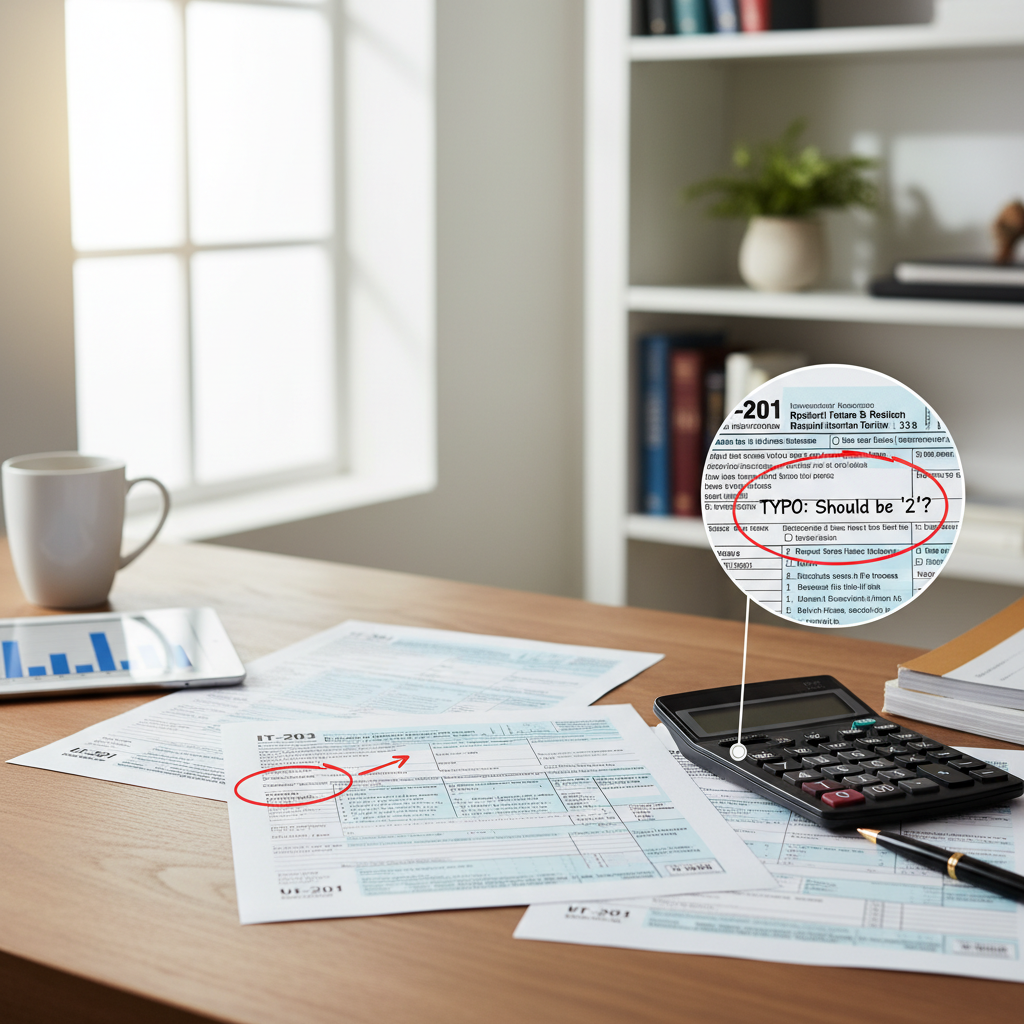
If you determine that your 2023 New York State tax return contains inaccuracies due to the department’s error, the primary course of action is to file an amended New York State tax return. For individual taxpayers, this typically involves using Form IT-201-X, Amended New York State Income Tax Return. This form allows you to correct any errors on your original return, including those related to tax liabilities, credits, or refunds. It’s crucial to accurately complete this form, clearly indicating the changes and providing explanations for the amendments. Generally, you have three years from the date you filed your original return or two years from the date you paid the tax, whichever is later, to file an amended return to claim a refund. However, given the systemic nature of this error, addressing it as soon as possible is highly advisable. Filing an amended tax return NY ensures that your records are corrected and that you receive any overpayment or pay the correct liability.
Communicating with the NYS Tax Department
Once you’ve identified a potential error, clear and documented communication with the NYS Tax Department is essential. Before contacting them, gather all relevant documents, including your original 2023 return, any notices received, and your calculations showing the corrected amounts. You can typically reach the department via phone numbers provided on their official website or on any correspondence you’ve received. Be prepared to explain your situation calmly and clearly, referring to specific lines or sections of your return that you believe were affected. Keep a detailed record of all interactions, including dates, names of representatives, and summaries of discussions. While the department has acknowledged a systemic error, individual cases may still require specific clarification or action. This communication is vital for any tax correction NY or if you need to understand the process for a tax appeal NY.
Seeking Professional Tax Assistance
Navigating the complexities of tax amendments and dealing with governmental errors can be daunting, especially for those without a deep understanding of tax law. This is where seeking professional tax assistance becomes invaluable. A qualified tax professional, like those at Netfintax, can help you accurately assess whether your return was impacted, guide you through the process of filing an amended return (Form IT-201-X), and handle communications with the NYS Tax Department on your behalf. Their expertise ensures that all necessary forms are correctly completed, deadlines are met, and your case is presented effectively, maximizing your potential refund or minimizing your tax liability. For complex situations requiring tax resolution New York, or simply to gain peace of mind that your finances are in order, professional tax help NY is a wise investment.
Preventing Future Errors and Safeguarding Your Finances
The recent NYS tax department error serves as a powerful reminder of the importance of accuracy in tax administration and the vigilance required from taxpayers. While such systemic errors are rare, their impact can be significant. Understanding how to mitigate risks and stay informed is crucial for protecting your financial health in the long run.
The Role of Regulatory Bodies in Ensuring Accuracy
The incident highlights the critical responsibility of government departments like the NYS Department of Taxation and Finance to maintain impeccable accuracy and transparency in their tax guidance and systems. These bodies are the custodians of public trust and play a pivotal role in ensuring regulatory compliance NY. Errors, however unintentional, erode that trust and impose undue burdens on taxpayers. It is imperative that such departments implement robust internal controls, conduct thorough testing of their systems, and provide clear, unambiguous guidance to prevent widespread errors. Proactive communication and swift rectification when issues arise are also essential to restoring confidence and minimizing the financial disruption to citizens and businesses. Accountability is key to maintaining a fair and effective tax system.
Best Practices for Taxpayers: Vigilance and Professional Review
While regulatory bodies bear the primary responsibility for accuracy, taxpayers also have a role to play in safeguarding their finances. The recent error underscores the importance of not simply “filing and forgetting.” Best practices for tax planning NY include carefully reviewing your tax return before submission, cross-referencing figures with your financial records, and understanding the implications of any credits or deductions you claim. During periods of known system errors, such vigilance becomes even more critical. Consider having your return prepared or reviewed by a qualified tax professional, even if you typically handle it yourself. An expert eye can spot discrepancies that might be overlooked, providing an essential layer of protection against tax errors, whether they originate from a systemic flaw or an individual oversight. This proactive approach can save you considerable stress and financial loss.
Staying Informed on New York Tax Law Changes
The tax landscape is constantly evolving, with new legislation, guidance, and potential errors emerging regularly. To protect against tax errors and ensure optimal financial planning New York, it is crucial to stay informed on New York tax law changes and any updates from the NYS Department of Taxation and Finance. Subscribing to official alerts, following reputable accounting and tax news sources, and regularly checking the department’s website can help you stay ahead of potential issues. Trustworthy professional firms, like Netfintax, often provide timely updates and insights on NYS tax updates and regulatory shifts. By remaining informed, you empower yourself to react swiftly to changes, understand their implications for your financial situation, and take necessary corrective actions, thereby strengthening your financial resilience against unforeseen tax challenges.
Frequently Asked Questions
What exactly was the ‘typo’ made by the NYS Department of Taxation and Finance?
While the specific nature of the typo isn’t fully detailed by the department, it resulted in incorrect calculations within their tax system or guidance, leading to erroneous tax liabilities or refunds for over 50,000 filers. It was a systemic error affecting tax computations.
How do I know if my 2023 New York tax return was affected?
You should review your 2023 NYS tax return carefully, especially if your refund was smaller than expected or your tax liability was higher. You can also log into your NYS online tax account for any notices or adjustments, or consult a tax professional.
What should I do if I discover my return was impacted?
If you suspect or confirm an error, you should consider filing an amended New York State tax return (Form IT-201-X for individuals). It’s highly recommended to contact a tax professional to guide you through the amendment process and ensure accuracy.
Is there a deadline to amend my New York State tax return due to this error?
Generally, you have three years from the date you filed your original return or two years from the date you paid the tax, whichever is later, to file an amended return. However, it’s best to address the issue as soon as possible.
Can Netfintax help me with this New York tax typo issue?
Yes, Netfintax specializes in US accounting and tax matters, including New York State taxes. Our experienced professionals can help you determine if you were affected, prepare and file an amended return, and navigate any communications with the NYS Department of Taxation and Finance.
The discovery of a systemic error by the NYS Department of Taxation and Finance impacting thousands of 2023 tax returns highlights the critical importance of meticulous attention to detail in tax matters. Whether you’re an individual taxpayer or a small business owner in New York, the potential for unexpected tax bills or reduced refunds demands your immediate attention.
At Netfintax, we understand the complexities and anxieties that such regulatory missteps can create. Our team of expert tax professionals is well-versed in New York State tax laws and prepared to assist you through every step of this process. From helping you verify your 2023 tax return to preparing and filing an accurate amended return (Form IT-201-X), we are here to ensure your financial interests are protected.
Don’t let a systemic error cost you. If you suspect your 2023 New York State tax return was affected, or if you simply want peace of mind, contact Netfintax today. Our dedicated professionals will provide the expert guidance and support you need to navigate this challenge and safeguard your financial future.